Part of the "De-Activated City" series.
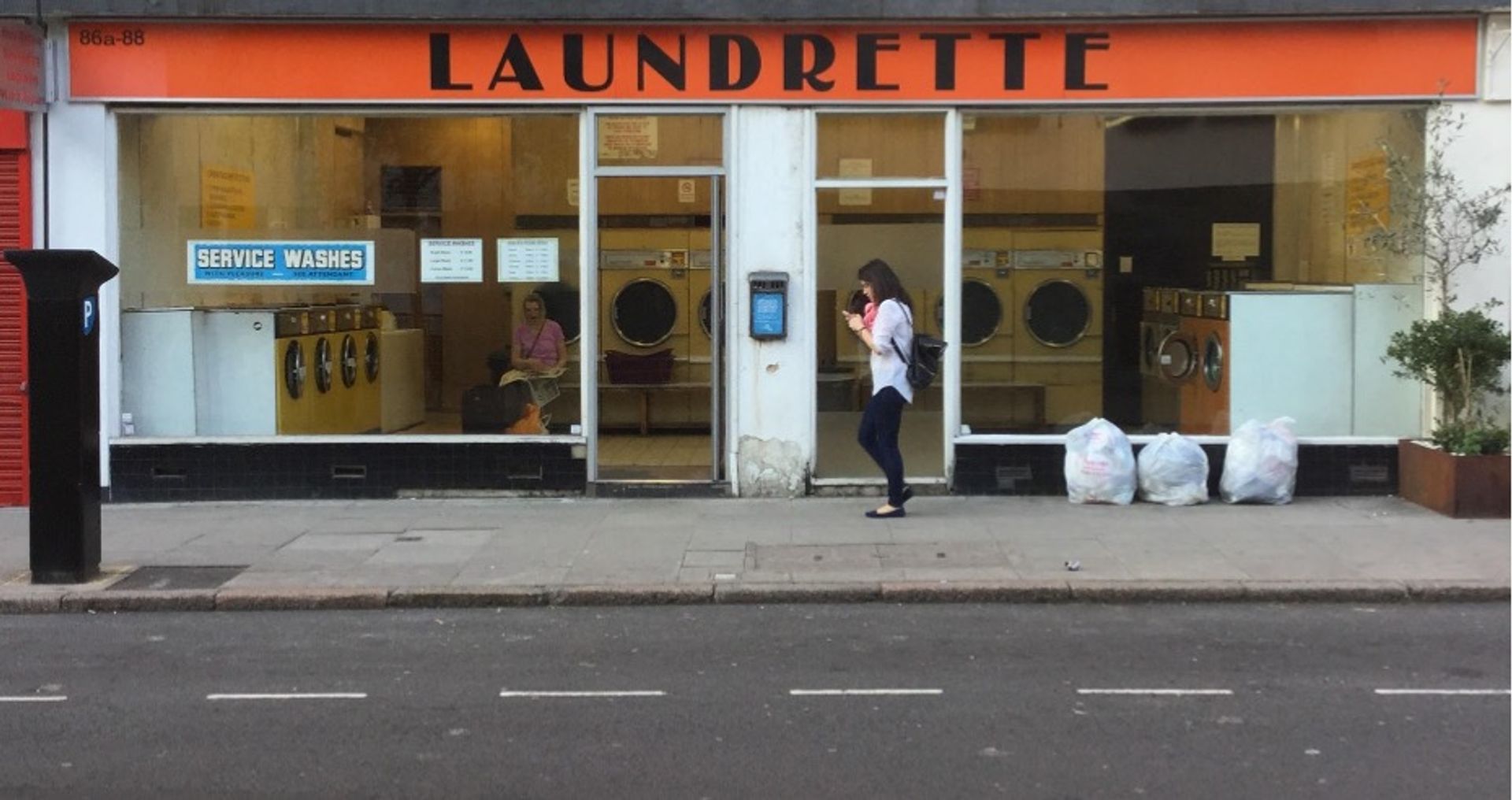
In their pomp, high streets were the heart of social life. The ongoing COVID-19 pandemic has accelerated an already existing trend of consumers migrating to out-of-town developments and online shops. Today, all that remains is a grim brick and mortar landscape that that is meant for shoppers that no longer come around. With high streets “deactivated”, public activity is in shambles because pavements and market squares were, in effect, inflexible single-use rights of way that outwardly benefited private venues. At present, more than half of all Londoners describe the city as a lonely place to live. Likewise, one-third of UK residents say they feel disconnected from their neighbours, a sentiment which can only be further enhanced by the current state of isolation and hygienic paranoia one is experiencing. In order to improve community life, public spaces need to do more than sell goods. Otherwise, people have little reason to venture outside their home and workplace and to inhabit our cities. To alleviate loneliness and loss of social connection caused by the de-activation of high streets, public designs should make way for activities that promote interaction and trust.
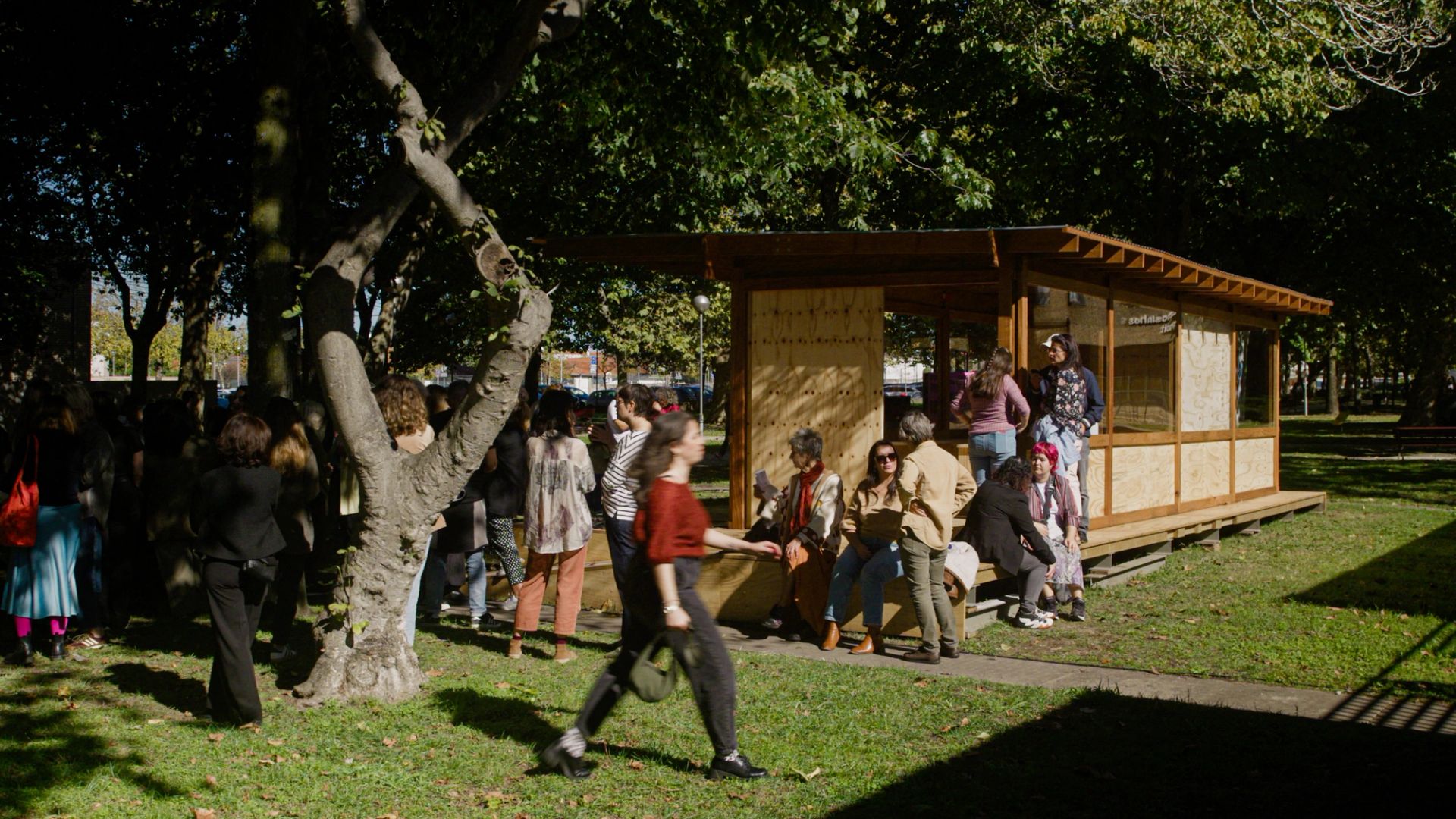
Communities can foster involvement by integrating three design elements:
- Sociability: Social interactions give public spaces human experience. More specifically, it is through casual contact that people find common ground. In Singapore, people greet each other by asking, ‘Have you eaten?’ In their culture, a shared table makes space for togetherness, personal warmth, and good cheer. Hawker centres are essential to Singapore’s food culture. They are open air pavilions that are built around fixed central seating. Around the edges of the dining area are small stalls that specialise in one or two dishes, which makes eaters assemble meals by moving through crowds and between vendors. Hawker centres accentuate sociability. For example, because open tables are scarce, it is acceptable to people watch and, when seats come available, to dine with strangers. Similarly, there is a practise of choping, in which strangers trust each other to save a place. As such, casual public contact and the experience of eating together begets a shared culture that reconciles different tastes and identities.
- Informality: Cities and urban authorities use programming to regulate public activities. Case-in-point, the managers of New York City’s Bryant Park brag that it is ‘programmed within an inch of its life’. Yet other parks, such as Harlem’s Rucker or Brooklyn’s Red Hook, prosper because they allow informal uses. Rucker’s pick-up basketball games innovated the sport with dunks and crossovers. Likewise, the park is famed for its culture of volunteerism and ethic of each one, teach one. Whilst at Red Hook, community members attending local football matches nurture a food scene where improvised stalls serve regional specialties, like Mexican huarache and Costa Rican chorreadas. In practise, informality allows communities to express local culture and neighbourhood values.
- Flexibility: Public spaces have to allow for multiple, easily adaptable uses. Every summer, a multi-storey car park in Peckham, London, transforms into Bold Tendencies, a venue that provides infrastructure and resources for community groups. Beyond its basic concrete form, the site lacks any permanent design features. Its main attraction is a rooftop cafe made of tarps, recycled wood, and beer garden sets. And below deck, stacked hay bales are quickly refitted to create temporary walls and acoustic soundproofing. Accordingly, flexible design and construction makes it possible for venues to increase opportunities for public activity.
These design geographies help inform us by sharing how urban gathering already works in informal, dynamic and expanding ways, no matter how “deactivated” a city may be for the moment. As we begin to cautiously re-open and re-activate, so will our colourful human traditions and the quiet role design plays in making them come alive again.
Bio
J. A. Morrow is a Research Associate at University of Alberta’s Wirth Institute. His most recent book, Activating Space Field Guide, outlines how community groups can creatively use public and private spaces. He is also the author of Where the Everyday Begins: a study of environment and everyday life. He now leads the Gemütlichkeit Projekt, which is a study of the role of social connection in the construction of communities.
Affiliation: Wirth Institute for Austrian and Central European Studies, University of Alberta