Part of the "De-Activated City" series.
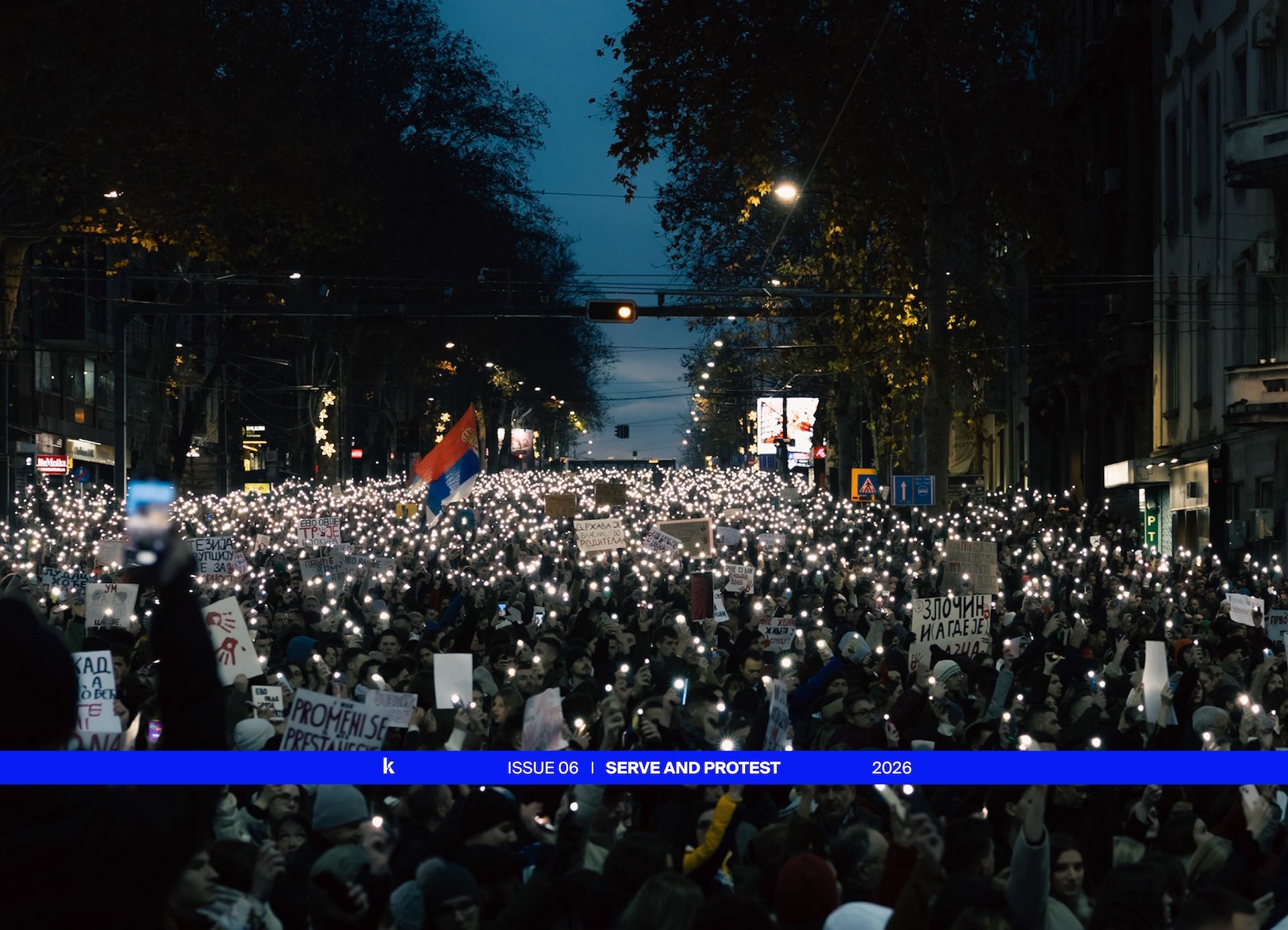
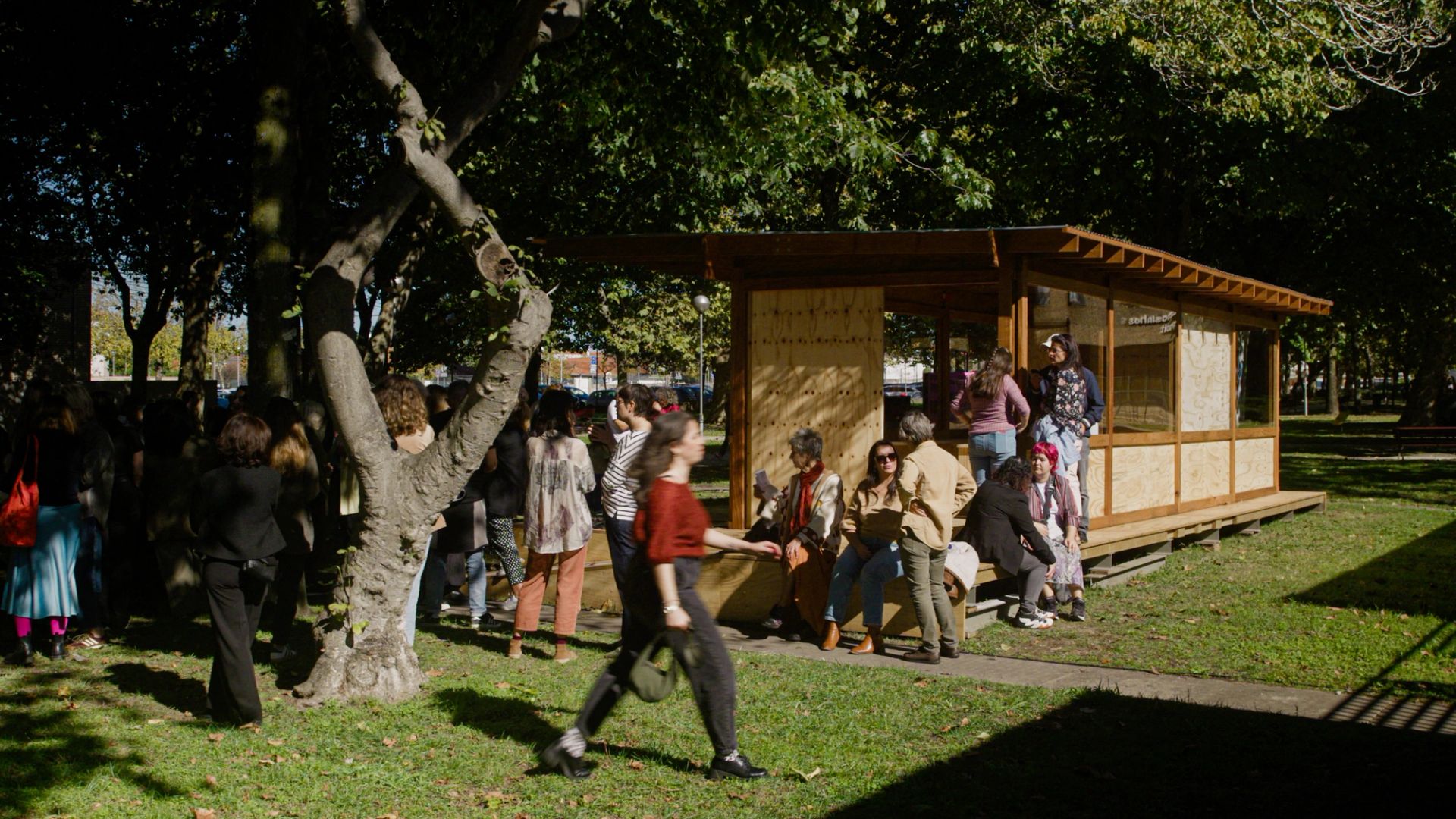
Every city is made up of a dense and layered body of volumes and voids, generated by the succession of historical and cultural events – this composition is where public and private activities find their place. Squares, avenues, parks, and open spaces in general are considered public spaces intended for socialization and, therefore, beating hearts of cities.
In a “deactivated city” these places lose their reason for existing: the squares no longer needed, this redundancy extending to anypublic space bigger than strictly necessary. A deactivated city no longer needs spaces for socializing and meeting, it no longer needs wide boulevards that flow into huge squares.
For this reason, every square can be filled with private buildings, avenues become perfect places for linear buildings and larger meeting spaces can be occupied by new enclosed constructions. Cities, as we know them, do not exist anymore.