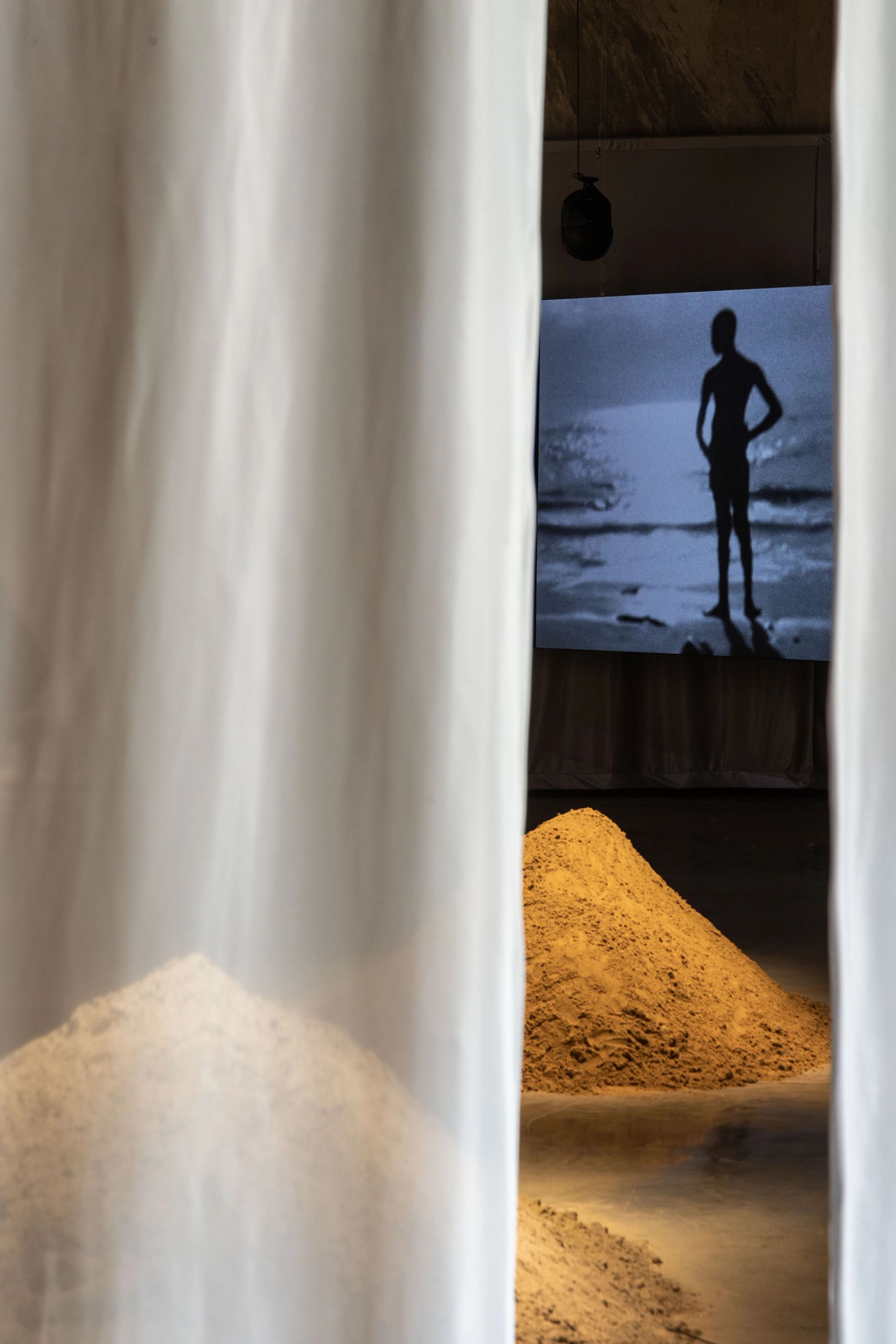
Architecture of Repair in Palestine is a nomadic forum launched in January 2023 that explores repair as resistance and liberation through multimedia projects and symposia. Conceived as a stream of consciousness, Season Two — produced by Husam Abusalem, Emilio Distretti and Margarida Waco — rejects linear narratives and false resolutions, reflecting the fragmented realities of Palestinian life. Rather than offering solutions, the project invites attentive listening, sustained discomfort, and an understanding of repair as continuity, mourning and refusal.
Season One was presented by The Funambulist in spring 2025, with the essay series Palestinian Repairs co-produced with e-flux architecture in winter 2025.
Listen to all episodes on Spotify and Apple Podcasts.
This fifth and final episode converges on a shared proposition: that repair is a grounded political praxis expressed through cooking, labour, care for the land, and the knowledge that comes with it. Beginning in the kitchen, chef Fadi Kattan reframes cooking as a living form of resistance, not a frozen inheritance. Against nostalgia and narrow definitions of authenticity as the crystallization of the past, he shows how recipes and Palestinian food culture that adapt across rupture, exile, and loss sustain connection through transmission and everyday acts of repetition in the face of darkness. Turning to the soil, the episode closes with historian Toufoul Abou-Hodeib, who traces repair through cultivating and caring for the land set against the wider colonial project of ruination. By tracing contemporary struggles for food sovereignty alongside longer histories rooted in the ancestral fight to safeguard the land and its ecosystems, she illustrates how tending the soil under siege becomes an assertion of continuity and a commitment to life.


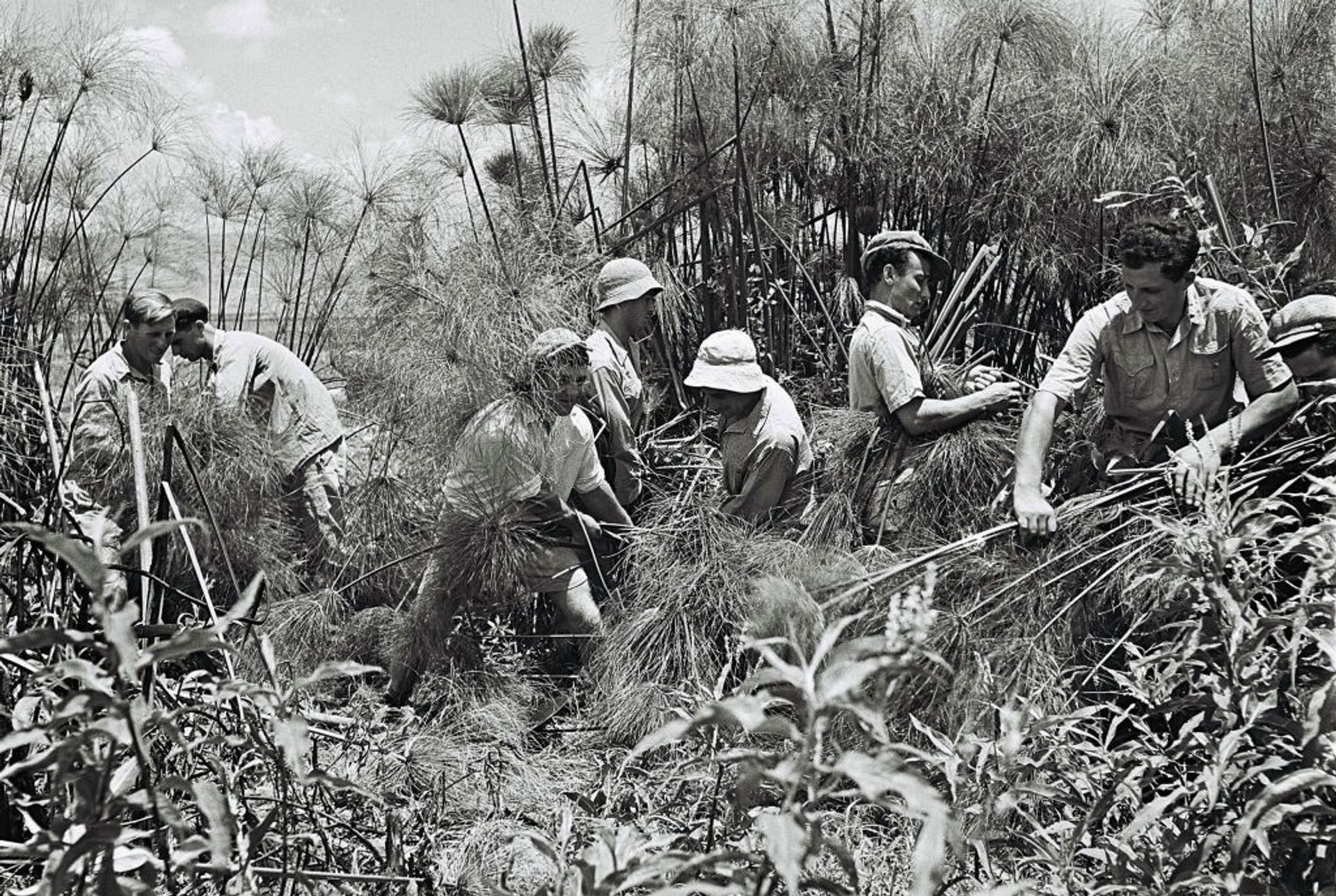


In this fourth episode, Anarim Chahabi and Saga Hamdan reflect on repair amid repeated, generational destructions of Gaza and historic Palestine. When homes, histories, and futures are destroyed again and again, repair cannot mean returning to what was. Instead, it takes shape as persistence: an intergenerational practice of holding fragments together amid exile, siege, diaspora, and inherited loss. It is the act of staying - with ruins, with memory, with unresolved grief - turning pain into testimony in a world where silence enables erasure. Rejecting the hollow language of resilience and recovery spoken over genocide, this episode re-frames survival not as a choice but as a condition of coercion. Here, repair becomes a political practice, where mourning and remembering are articulated as duty, and justice, accountability, and prevention are named as the only grounds on which any future repair might begin.


With Khaldun Bshara and Hala Shoman, this third episode confronts the realization that repair is not innocent, nor endlessly repeatable without consequence. When practiced within an intact colonial order, repair, while leaving structures of violence untouched, risks becoming complicit in its normalization, rendering physical restoration meaningless, or even harmful. Through testimony and critique, Bshara and Shoman reimagine repair as an ethical burden and an act of refusal: a deliberate interruption of the status quo rather than its sustenance. Their testimonies expand beyond the built environment, foregrounding how Israeli colonial violence systematically targets social bonds, fragmenting Palestinian society. By isolating those who sustain collective life, such as journalists, medical workers, and aid providers, and by enforcing techniques like forced starvation, violence shatters traditions of generosity and mutual care. Repair thus unfolds across societal, political, emotional, and temporal registers, extending through lived experience. Without dismantling the settler-colonial system and establishing just and dignified living conditions, any claim to repair risks reproducing harm rather than enabling healing.


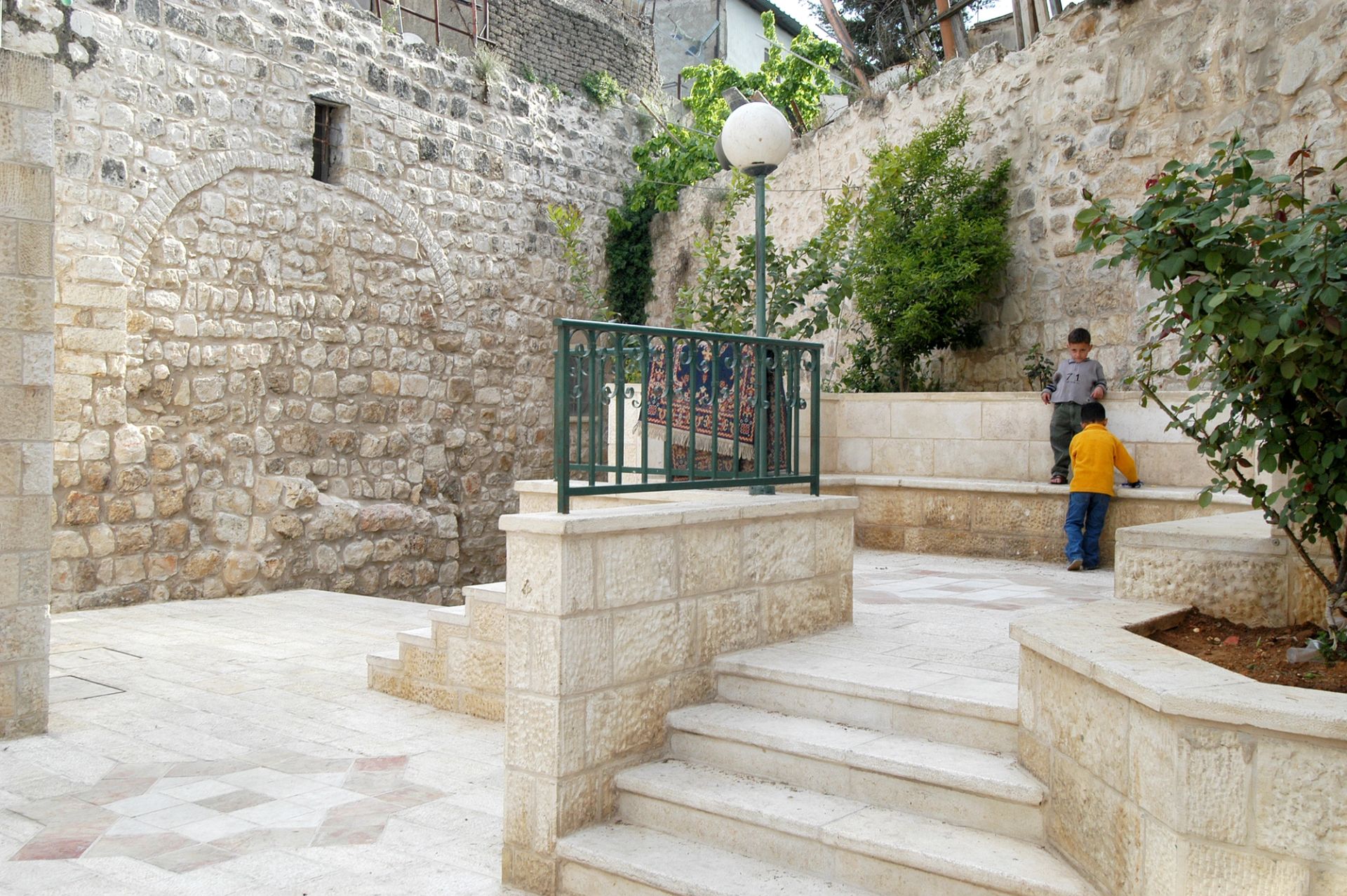

Bringing together Azza El Hassan and Jumanah Bawazir, this episode asks what becomes of archives when safeguarding them is no longer possible under continuous violence. As visual collections are looted, damaged, or destroyed, we are invited to reconsider our relationship to damaged objects and fragments, approaching them as survivors and material evidence with an afterlife that actively shapes the present. But when the past refuses to remain confined to history and instead stretches across time and space to haunt our personal sphere in the present, repair cannot remain metaphorical. It must begin with the dismantling of epistemic violence through material practices of return, refusal, and deconstruction.


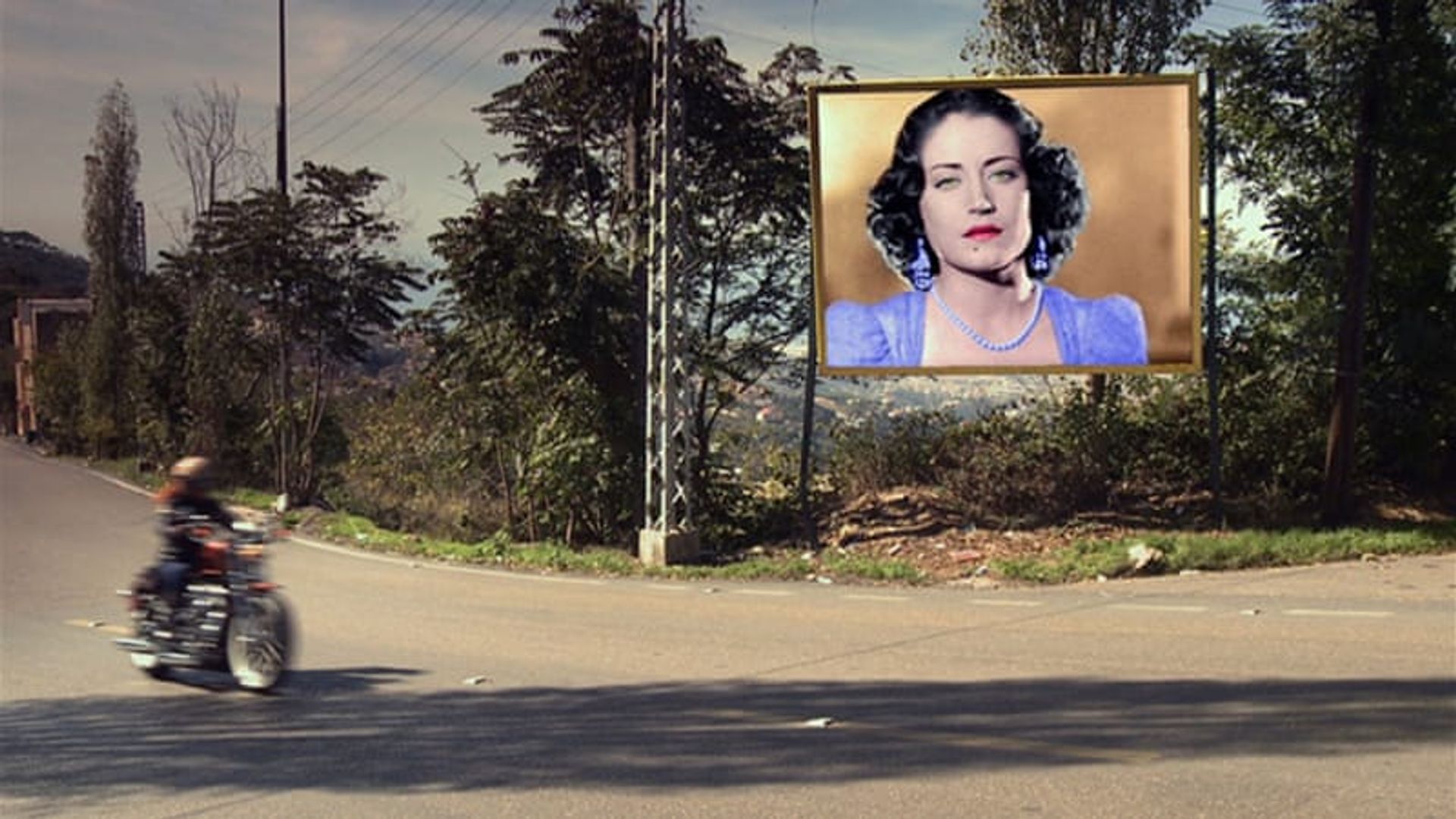


Opening Season Two, KoozArch speaks with producers Husam Abusalem, Emilio Distretti, and Margarida Waco about Palestinian repair as an ethical, decolonial practice grounded in histories of displacement and erasure. Conceived as a stream of consciousness, the podcast resists linear narratives and false resolution, mirroring the fractured realities of Palestinian life. Rather than offering solutions or blueprints, it gathers voices as a constellation—inviting close listening, shared discomfort, and an imagination of repair as continuity, care, mourning and refusal.