This conversation is part of our partnership with OBEL, expanding insight into the theme for 2026: Systems’ Hack.
Federica Sofia Zambeletti/KOOZ Thank you all for joining us. There are so many overlaps between the work that Klaas is doing with Zoöp and the projects of Cooking Sections that we thought this could be a fitting exchange — hopefully one that is nurturing for you too. Could you briefly introduce yourselves and allude to the kind of systems or conditions that your practice seeks to hack?
Klaas Kuitenbrouwer I'm Klaas Kuitenbrouwer; I'm a researcher in regenerative practices at Nieuwe Institute. I'm also the head of the Zoonomic Institute, which is the organisation that helps others to adopt the Zoöp model. It is actually three things: a governance practice and an organisational format that packs a learning process. Or, to put it the other way around, a learning process that is kept in place by a governance structure, which works as a basis for collaboration. If organisations adopt the [Zoöp] model, they do two things. They appoint an external, independent spokesperson for the interests of life — a “Speaker for the Living”.
This person henceforth takes part in decision making of the organisation, representing the interests of the ecosystems in which the organisation participates, within these decision making processes. That's the first aspect, and one that could still lead to a number of potentially unfruitful directions. Therefore, the Zoöp model includes a learning process in. The Zoöp learning process has the aim to help organisations see themselves as an ecosystem, participating in larger ecosystems — basically, to reduce the nature-culture split, and to understand the possibility of humans as useful species. So the Speaker for the Living helps the organisation to identify where and when this is at stake, and to make decisions that are life-affirming, supporting life in general.
Stepping back: Zoöp is short for zo–operation, cooperation with zōē — that is to say, collaborating with life. So basically, it's a navigational aid to help your organisation to develop a life supporting practice, to become symbiotic with the ecosystems in which it participates. Finally, it's a basis for collaboration between different zones. Every organisation that has adopted the model also shares knowledge and ideas and practices. To date, there are eighteen Zoöps, all engaged in very distinct practices — their overlaps become points of contact , allowing for modes of contact for fruitful conditions and for exchange.
KOOZ And how did Zoöp come about as a project?
KK It started for me in late 2018, upon reading the then-recent IPCC report — in a way, realising the talk and ideas around circular economy and sustainability practices were really not cutting it. In fact, the basic conception had a huge flaw, a blind spot — they all worked from an entirely human-centric approach, and had done so for a long time. Already, the idea that the biosphere as we know it could survive without changing the current economic model was ludicrous. I began to recognise sustainability practice as an attempt to not so much change the model, but to sustain it — to actually hold it in place — as much as possible, softening the most cruel edges without actually changing the heart. Sustainability practice involves trying to reduce your negative impacts, the main aim being to reach a net zero by 2050. In 2018 we were already almost crossing 1.5 degrees. Climate models say that net zero by 2050 would mean that one third of the earth’s surface would be uninhabitable. I don't think that's a valid goal; how can that be called sustainable? We need to take work from a completely different basis. We need to learn to become useful for the ecosystem in which we participate. We need to reduce negative impacts, but more basically: we need to increase positive impacts, to become supportive of the ecosystems we are part of learning to collaborate with life.
"the idea that the biosphere as we know it could survive without changing the current economic model was ludicrous. I began to recognise sustainability practice as an attempt to not so much change the model, but to sustain it — to actually hold it in place — as much as possible, softening the most cruel edges without actually changing the heart."
2018 is also the moment that I first learned about ‘rights of nature’ as an emerging practice in New Zealand, where, for the first time, a river became a legal person. In the Dutch context, if you were to do this for real, you would face a long-democratic process, moving through Parliament and then through the Senate. This didn't seem likely back then, and it became increasingly unlikely after that (although by now, it's shifting back again). So if you want to start with something that increases the rights to have healthy ecosystems — not just humans, but all beings — how would you go about that? We chose not to work directly on the law, but rather to work out an organisational form that works through contracts — there's a legal dimension, but rather than changing the law, it's about a creative reapplication of existing possibilities.
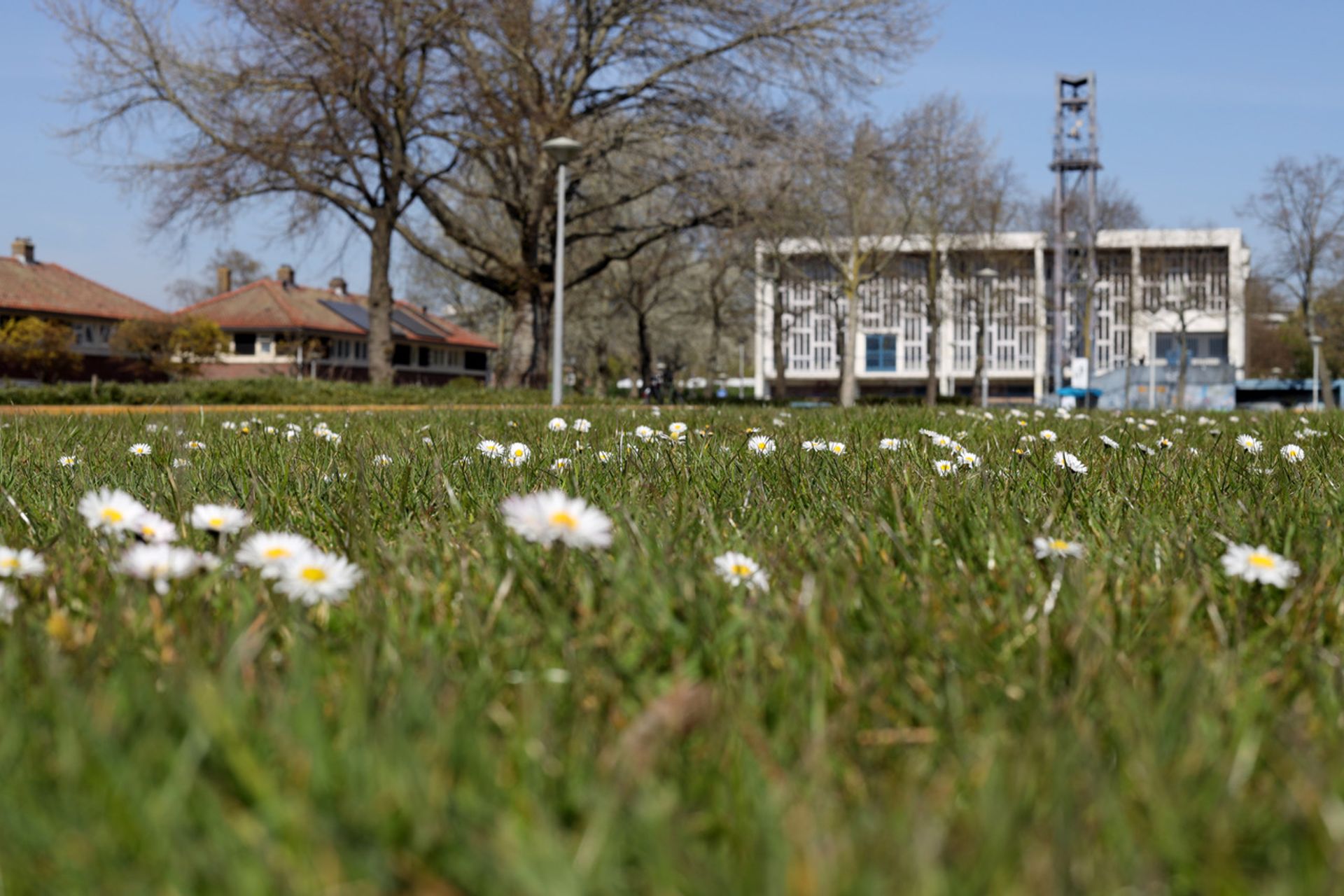
Zoöp Ground for Wellbeing (also known as Bodem voor de Buurt) is a project in Amsterdam focusing on regenerating the soil in the historic neighborhood of Tuindorp Oostzaan to improve both ecological and human health.
KOOZ Super. Daniel and Alon, could you share your experience of working on ecological issues and the limitations on that?
Daniel Fernández PascualThank you. We established Cooking Sections back in 2013 and have been working to understand how metabolic chains and metabolic processes are shaping and governing the world — and how we can develop ways within that to subvert and transform them. This includes rethinking infrastructures. We often work within museums or cultural institutions that commission us projects or new site-specific interventions. Over the years, we've been finding ways to extend those conversations or alliances that are fostered through the research process, beyond the duration of the commission, exhibition or display.
Alon Schwabe That's the first hack. When we started practicing, back in 2013 and increasingly since then, there was a strong appetite for responses to the ecological questions that were looming around us. It became very clear that the infrastructures and spaces in which cultural production happens were ill-fitted for the questions that were being asked. Everyone wanted to work on ecological frameworks and ecological timescales, but institutional structures are fundamentally anti-ecological in the ways they are built.
"Everyone wanted to work on ecological frameworks and ecological timescales, but institutional structures are fundamentally anti-ecological in the ways they are built."
By this I mean the duration of projects and exhibitions, the limits of long-term investment that institutions are interested in, and the pace at which many institutions were constantly — and in many ways, still are — trying to introduce new voices, new processes. This makes it very hard, I think, to sustain long-term work within these structures.
In many ways, that brought forward the possibility of developing a certain mode of practice that is really thinking about what it means to work with ecological time, and what it means to develop processes over extended periods. As we're seeing now, over a decade into our practice, these processes simply take a very, very long time. This kind of work requires a certain level of commitment and a mode of practice that sticks with the trouble, or that revisits the same questions over and over again, while imagining ways for the same thing to shape shift and be repositioned over time.
DFP Within that, it has been fruitful to think about how some institutions can operate within a wider sphere, and how to harness the outreach they may have, even for mediatic impact. For instance, in our project on the impact of farmed salmon in Scotland, particularly in Skye and Raasay, we were invited to present it at Tate Britain, which as a large museum has a very powerful global reach. We worked with them for more than a year to actually remove salmon from their menu across the four Tate museums. Now that’s just an item on the menu of a restaurant, but it had quite a significant media impact beyond the cultural realm.
Another approach has been to engage with the space of the law and legal fictions. We've worked closely with Mari Margil from the Center for Democratic and Environmental Rights (CDER), who explores how institutions like museums can operate as sites for legal experimentation, to build legal fictions in the present. CDER works with the ‘Rights of Nature’ framework — processes that can take years or decades for those negotiations to materialise. In contrast, some of these experiments can take shape in museums or cultural spaces, allowing people to imagine other possible futures now.
"Another approach has been to engage with the space of the law and legal fictions [...] some of these experiments can take shape in museums or cultural spaces, allowing people to imagine other possible futures now."
KOOZ What kinds of legal fictions have you been able to test or and explore — and how does one measure impact? I’m thinking of your removal of farmed salmon from the Tate menu: how do you identify that as a point of action?
AS Our project CLIMAVORE is a research platform that questions how we, as humans, are changing the climate, and how we could reshape food infrastructures in response to the climate crisis. We have developed several long-term projects within that framework over the past years — from the work in Skye dedicated to the impact of farmed salmon, to a project in the south of Italy, in the regions of Puglia and Sicily, where we focus on the propagation and circulation of resistant seeds. These are “peasant” seeds, which have been grown by communities of farmers over generations; the droughts experienced in these regions encoded in their DNA. The way agroecological farmers think about these seeds, and the practices that allow them to thrive in these conditions, is a process of co-evolution: communities of farmers and communities of seeds evolve together, mutating in parallel and adapting their traits in response to environmental and political conditions.
In this case, one of the biggest challenges is that these seeds are unregistered. The process of seed registration — which operates between agro-industry lobbies and governmental chokeholds — is extremely cost-prohibitive for small-scale farmers; at the same time, it's bureaucratically very complicated. Also, through the act of registration, you are effectively giving these seeds and their traits to agro-industrial corporations. Without registering these seeds, farmers are prevented from commercialising what they grow: no tomato, cucumber, or melon that escapes registration can be sold on the market. While farmers may exchange seeds between each other, they cannot sell that produce branded as that variety in any way. That inhibits all kinds of possibilities, as it restricts the continuous cultivation, adaptation, and evolution of these seeds in changing environments.
In response, we created a collaboration with Museo delle Civiltá in Rome, facilitated through our research initiative — CLIMAVORE x Jameel at RCA, Monoculture Meltdown, led by Dani Burrows, and researchers Enrico Milazzo and Gabriella Patera on the ground. Through this, we created an agreement between the museum and the farmers. The museum produced a formal letter, essentially certifying that these seeds are grown for cultural purposes — specifically for an artwork that we created — under the auspices of the Italian Ministry of Culture. Forty farmers received this letter and have been propagating seeds accordingly. We started off with 50,000 seeds; today, after the third year of planting, I believe there are nearly three million of these peasant seeds in circulation.
We then created an installation which, at the end of every planting season — around November — temporarily gathers the seeds in the museum as part of the artwork, which itself is part of the museum’s collection and, by extension, the Italian state. All seeds entering the installation are logged as parts of the artwork — they are given a new provenance. After two months in the museum, they are returned to the farmers to be planted again for the next season. We use this mechanism to circumvent the legal challenges of seed registration and circulation. However, this process was not conceived only as an artwork: we worked with a group of legal experts and scholars from several universities in Italy to structure the agreement and also to create parallel amendments to the regional agricultural laws of Puglia and Sicily, respectively, which are now advocated by local policymakers.
To summarise this process: while it is possible to “hack” the system, these hacks cannot guarantee permanent or lasting change. Ensuring that such actions are also translated into laws and processes that can withstand political change over time is crucial.
"while it is possible to “hack” the system, these hacks cannot guarantee permanent or lasting change. Ensuring that such actions are also translated into laws and processes that can withstand political change over time is crucial."
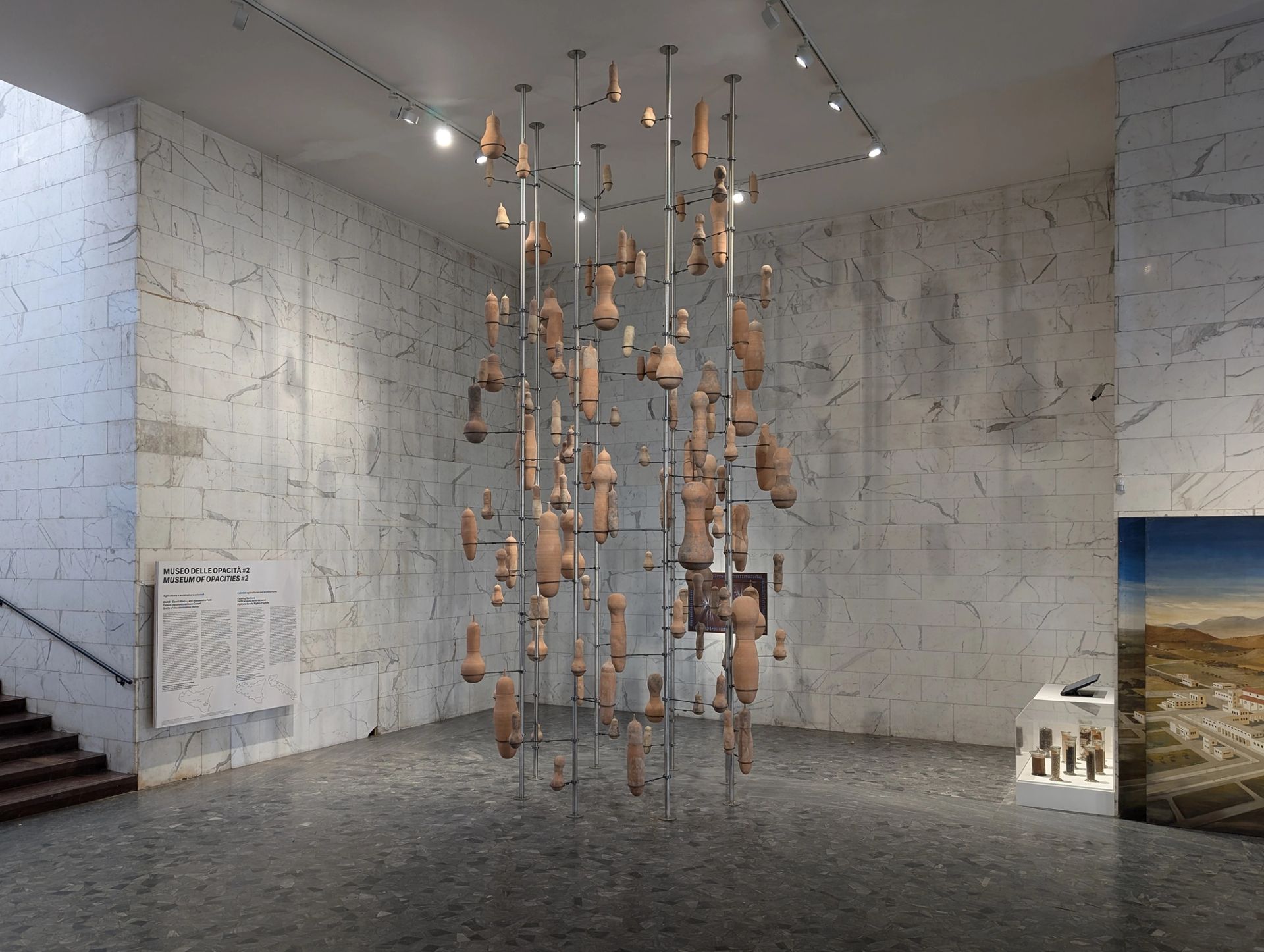
Cooking Sections. Rights to Seeds, Rights of Seeds (2024), Photo Cooking Sections, Courtesy CLIMAVORE x Jameel at RCA
KOOZ It’s impressive how your practices use the cultural platforms and the spaces that are offered to challenge their own nature. Instead of being a space which primarily exhibits, the museum or gallery becomes a space in which to act, that engages with urgencies that may be territorial but that can also speak to wider realities. Clearly, cultural institutions can be powerful allies. Klaas, I understand that the Nieuwe Instituut was a prototype for the first Zoöp; how did that grow into creating alliances with schools, municipalities other realities — and potentially hacking other systems?
KK The idea seemed obvious to me from the beginning, but advancing step by step, It wasn't always clear that it would actually work. When we developed Zoöp as a possible practice, we immediately thought of it as something that would be adoptable not just by one Institute, but that would be consistent enough while also retaining the flexibility to be adopted by different organisations. When we worked out the Zoöp contract, we also took into account that it should not only work within Dutch law. It should not be dependent on the particularities of the Dutch legal system, where structures like the cooperative are quite present already.
We used a model contract based on that of a ‘board observer’. When capital investment firms back a start-up, for instance, they sometimes appoint a board observer who has an advisory vote. In the case of the Zoöp, the investor is not financial — rather, it is the living world that is asking for care and support, and the board observer is called a Speaker for the Living, advising on behalf of the interests of ecosystems that form the body of Zoöp. From the start, we worked on something that would be adoptable in different contexts and situations. We knew that we had to work with organisations that are willing to take risks and that are not stuck in their ways and that feel the urgency to find out how things might work otherwise. This was also the view of the two directors that were involved in making the Nieuwe Instituut a Zoöp. Aric Chen described the role of cultural institutions as testing grounds — not just organising discourse and representing views, but actually working out alternative ways of doing things. This connects to the views of Guus Beumer, the previous director who helped foster the development of the Zoöp model.
We also wanted to grow outside the cultural sector. I mean, if you actually want impact then you have to acknowledge that the cultural sector is a tiny fraction of the economy. What we need to change is the basic logic of the economy at large, which is not something you can do at once — but for which you also need to work beyond the cultural sector. Public institutions would be a logical next step, but we also work with companies that are strongly mission-driven. That means that they use their profits to achieve their mission, not just to fill their pockets. This category includes a lot of social enterprises, organisations that are focused on creating change and it’s currently most attractive to those that are fundamentally seeking to make a change. It's quite a choice to include a Speaker for the Living in your day-to-day processes, and to try taking the interests of ecosystems into account wherever that applies. A lot of organisations can feel stuck; they would like to make changes, but their external demands don't allow them to do this. Zoöp can help them to plot a course to a relevant change.
"It's quite a choice to include a Speaker for the Living in your day-to-day processes, and to try taking the interests of ecosystems into account wherever that applies."
Our legal, financial, political systems currently work through the total separation of culture and nature, from a fundamentally anthropocentric view — in which only the interests of humans are legitimate. Yet obviously in order to retain the possibility of a recognisable, living biosphere in the next eighty years, we need to change this logic. There's an increasingly large movement towards regenerative practice — a buzzword, also appropriated by less motivated parties. It is quite strong in the Netherlands and for a lot of people it’s about the fundamental intention of learning to collaborate with life, to not just only work from human interest, but to fundamentally see that in order to make it out alive three generations from now is to see that all species need clean air, clean water, a place to live, food, other supportive relations.
The Zoöp practice, you could say, helps to navigate the polycrisis. It's obviously not a silver bullet, but our learning process that helps to figure out the relationships with which you're engaged, identifying those that can be changed, those for which you might need collaboration. It's a step-by-step process to transform the means by which you relate to the ecosystems you are part of. We try to make this flexible and workable, pragmatic and highly situated and persistent.
In terms of design, not all of that was figured out from the beginning — we are at the end of the fourth year of active Zoöps now, and every year we learn new things. The governance model and learning process were there in the beginning, but they could only work with enough Zoöps to actually collaborate and share knowledge. We learned a lot of new patterns, and figured out relevant ways for bigger organisations to get involved. The most important thing is to get started, to step into something slightly out of your comfort zone, but which really has the potential to transform your entire organisation. We find that a lot of different organisations are interested in this, and one can start at different scales. We cannot necessarily predict exactly what you will do at the end of the year; the fundamental interest is in learning to sustain a life-supporting practice.
With the municipality of Amsterdam, we are working on an urban renewal project — a big square in Amsterdam North — which has severe issues with groundwater levels. In the winter, the groundwater is only thirty centimetres below ground level, so there's a lot of damp and mould in the lower floors of buildings there. In the event of really heavy rainfall — which is increasingly likely — the whole neighbourhood will become uninhabitable for a serious period. Something has to change, and it relates to social, technical and ecological issues at once. The soil or ground itself must become more unsealed, penetrable, with the capacity to retain water, sustain much more life and even act as a buffer during dry periods — that's the ecological dimension. The technical questions have to do with draining, while the social issues could be framed between the tensions of public space, while several private owners as well as housing corporations need to join the process too. So the Zoöp process ensures that the ecological questions do not end up at the bottom of the pile but actually forms the relational fabric between all parties and interests.
Finally, a note about the hierarchy of issues: in our work all issues are encapsulated in and treated as part of an ecological issue. Ecosystemic questions are never isolated from other things. The ecological mindset — as Timothy Morton or Bruno Latour have described — is used to address all issues, they are part of a complex fabric of relationships.
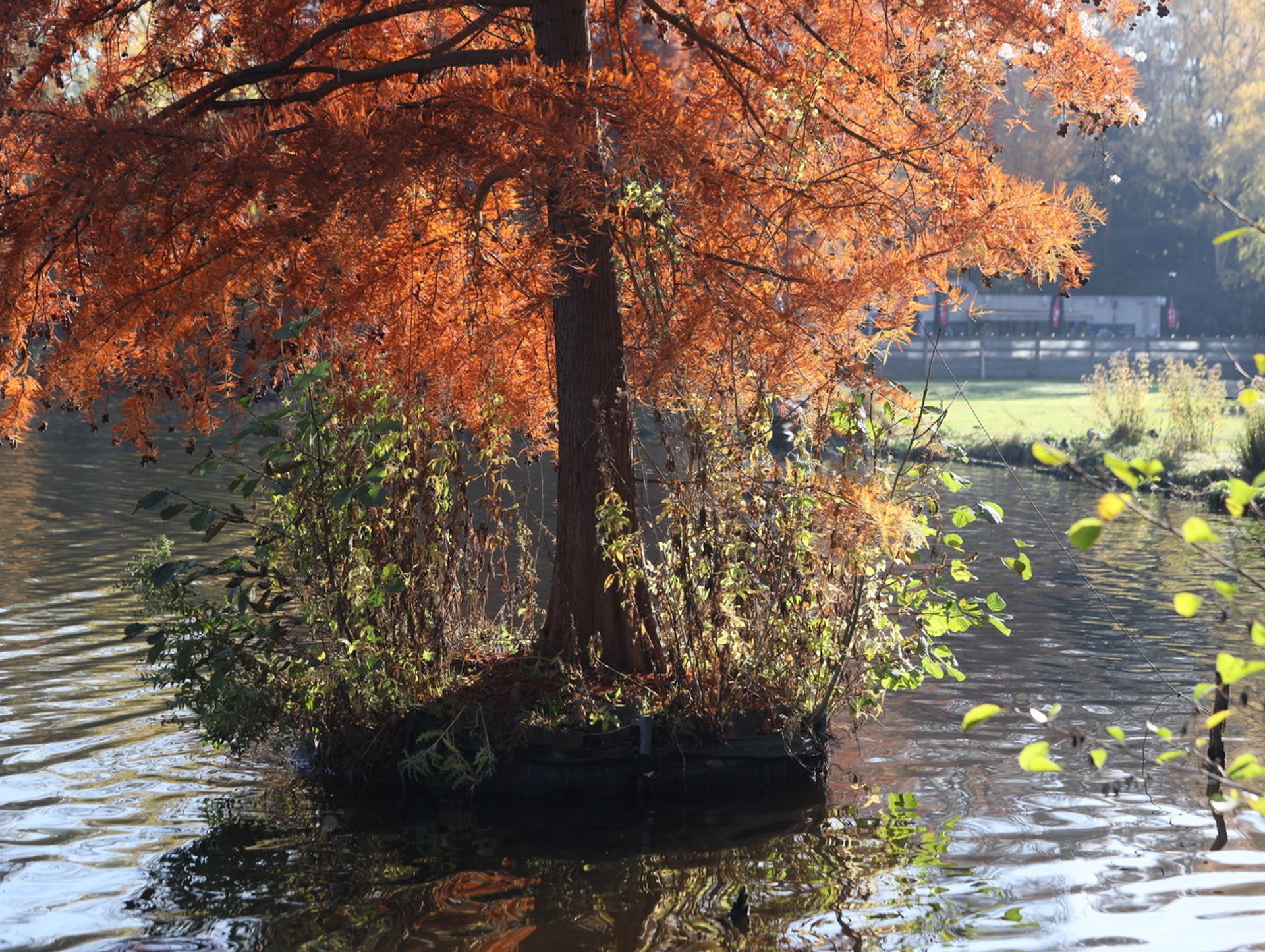
Zoöp Amstelpark is the first public Zoöp. On 4 October 2025, Zone2Source and the Municipality of Amsterdam, together with the Zoönomisch Instituut, signed an agreement to manage Amstelpark as a Zoöp and as a learning site for multispecies politics in the city. This marked an important step in reimagining public space through ecological governance.
KOOZ How do you sustain the design of such dense and complex infrastructures? Daniel and Alon, this also goes back to the projects you mentioned, between the Isle of Skye and the work in Puglia: how does one design infrastructures that are able to sustain themselves, and to learn from each other?
DFP With every project, there's a team of researchers, coordinators and people working on the ground — which requires continuous communication and conversations with different groups at the same time. I think it's also about seeing these projects not as something finished, but as processes that are ongoing. There are many failures or approximations along the way, and things have to be constantly reorganised — it’s very hard, not to mention rare, to make a plan for five years and stick rigidly to it. Quite the opposite; we think that the most interesting parts lie in how things can adapt to different responses, to local suggestions, new concerns or temporary roadblocks that appear…
"We think that the most interesting parts lie in how things can adapt to different responses, to local suggestions, new concerns or temporary roadblocks that appear… "
For instance, in a recent project that is currently exhibited at the Museum of Art in Public Spaces, located in Køge, Denmark, we were looking into the impact of mega farms in the country — which affect waterways and soil contamination, not only in Denmark but in many regions... We have been talking to different residents and activist groups there, who report that it's very hard to track when processes are open for public participation — where residents have the right to express their opinion about whether they want a new mega farm in front of their home or not. In theory, the Aarhus Convention in the EU grants every resident the right to express an objection to planning processes of environmental significance. Usually, there is a period of ten days to two weeks during which the process is made public, and responses are welcome. But in many cases, municipalities have been known to make that process quite obscure; it’s very hard to find where or when one might object, or when the deadlines are set.
We developed a digital tool that attempts to track or monitor all these processes, which creates an alert for residents and groups each time that there is an open process for people to express their opinion about whether they want a new mega farm in their vicinity or not. That's a prototype that keeps growing and is iteratively improved over time — it's a model to think of such actions not as finished artifacts, but processes that keep evolving over time.
KOOZ In the case of exhibitions, there's generally a contract and timeline for delivering a finished project or an installation commissioned on site. How do you structure your relationship with institutions when your projects are ongoing, with long timeframes, and where the outcome is not a given?
DFP It becomes something that is negotiated more often —
AS That is something that, firstly, changes from one place to another. The reality is that there are very few institutions that can take on these kinds of processes and commitments, so it becomes an endless negotiation — which I think is also part of the work. There has been a lot of conversation and critique around this. We often work within a set of inherent conditions that embody many historical traits, including colonial and imperialist legacies that structure the museum, and it is a big question: do we wait for them to crumble and start completely new institutions, or do we try to mend or transform the existing body? This is how these projects are structured, and the way they nudge or even oblige the institution to make these commitments is also part of the process. It's not merely a critique of the institution, but a way in which critique engenders a certain kind of proposal, an attempt to shift the structure. It's a very long, very complicated and very laborious process.
"We often work within a set of inherent conditions that embody many historical traits, including colonial and imperialist legacies that structure the museum, and it is a big question: do we wait for them to crumble and start completely new institutions, or do we try to mend or transform the existing body?"
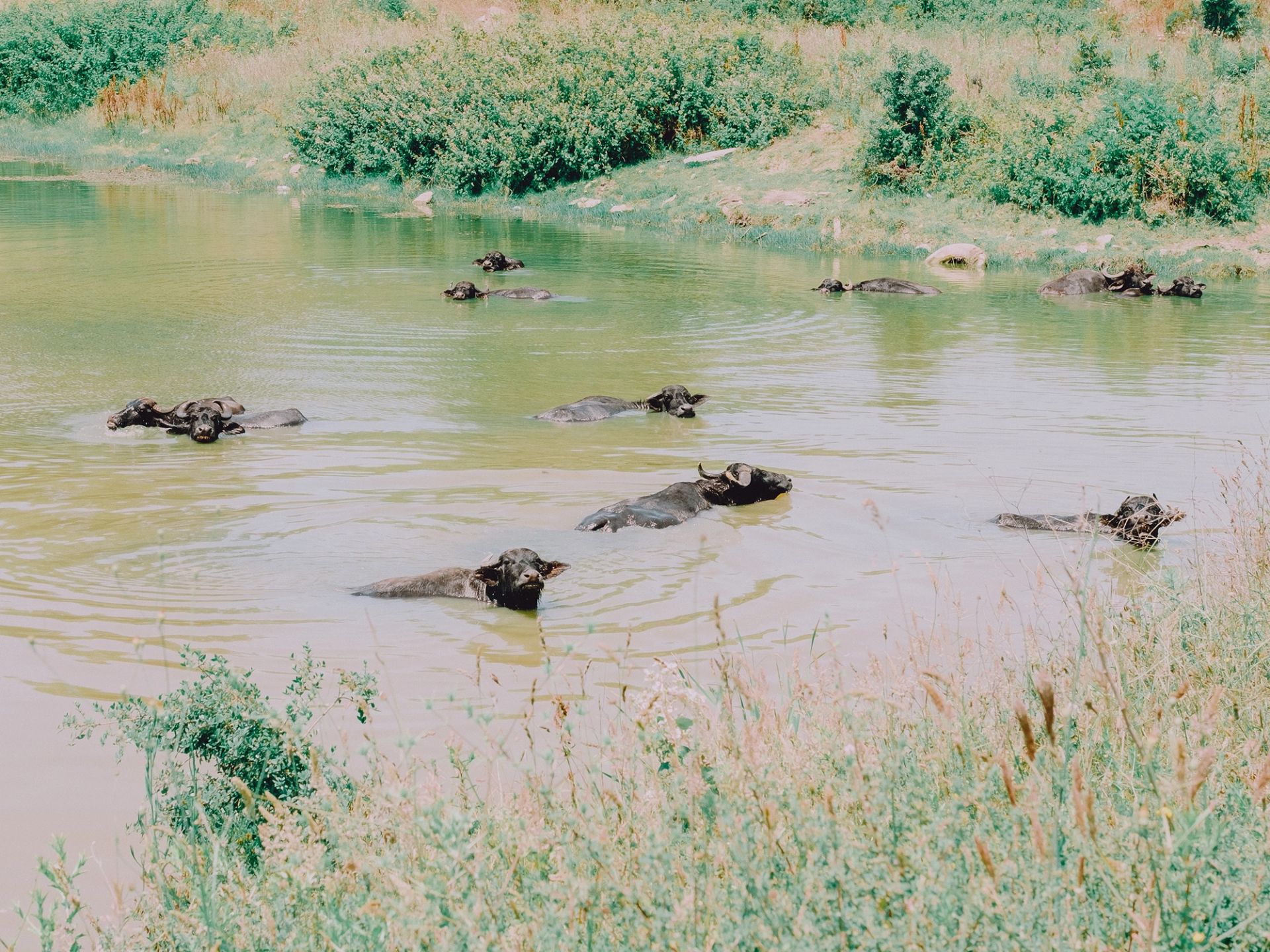
Water Buffalo Commons is a long term research project that aims to highlight and support Istanbul's wetlands, their ecological and culinary heritage. Photo Ci Demi, Courtesy CLIMAVORE x Jameel at RCA
This is how these projects are structured, and the way they nudge or even oblige the institution to make these commitments is also part of the process. It's not merely a critique of the institution, but a way in which critique engenders a certain kind of proposal, an attempt to shift the structure. It's a very long, very complicated and very laborious process.
KK In our case, the learning process works in an annual cycle. Organisations set their own goals — which are usually longer term and more qualitative, and to realise those goals, actual interventions are planned on a yearly basis. For instance, an organisation might want to increase the life-carrying capacity of its building. That's a long term goal, and it can keep increasing. Every year, new decisions are made to help foster this goal, but the goal is the same, while the actual interventions are varied and cyclical. Another example might be in changing the material practice of the Nieuwe Instituut, to phase out single-use, toxic and polluting materials, developing reuse and circular strategies where possible, and a form of regenerative material practice. Since this year a ‘material rider’ is put to use, which helps to make decisions on what materials to use from project to project, and that defines what can be reused. There are now efforts to set up a reusable materials depot shared between different institutions in Rotterdam. It starts with an ambition, where the long term effect may not be visible and where the end goal is not defined. The next steps are defined on the basis of what is possible — this is really what helps to get started, and prevents a whole lot of complicated negotiation at the beginning of a process. It’s fundamentally about commitment to certain endeavours, and working with what we can see. This way of working allows for gradual transformation, but it also keeps it going — it's quite effective on longer-term, cumulative ambitions.
"It starts with an ambition, where the long term effect may not be visible and where the end goal is not defined. The next steps are defined on the basis of what is possible."
KOOZ Before we log off: Klaas, you mentioned words — like ‘regenerative’ — that have arguably been “hacked” by those who perhaps take their meanings lightly. Both your practices have coined new terms to identify your practice — from Zoöp to CLIMAVORE. Could you talk about the role that language can play in redefining new methods of practice?
KK There are always two sides to language: one is identity, and the other one is communication. Inclusion and exclusion, versus connection. A certain language is used among people that share values; meanings become shared, but that also has the effect of excluding people who don't share that mindset. So language has a tactical dimension — you use different words with different people at different stages of the process. When I talk to a sustainability officer who's completely invested in net-zero policies, I'm not about to launch into zoönomy immediately. I would introduce the idea of looking at economy and ecology as a kind of shared network that should sustain all species — that is ‘zoonomy’, in our terminology — but if I start there, I'm not even in a conversation. It doesn't work.
On the other hand, addressing the same things with different words doesn't work either. You only need a new term when you actually need to shape something which is not yet there, which is not yet identifiable through existing terms. Not doing so can also lead to confusion, as people try to understand something new by referring to terms they already understand. So new words are not always helpful at the start of a conversation, but once we establish shared ideas, we can use them well, because we will be thinking about the same thing.
DFP Yeah. In our case, it was also a way to address or describe new processes where many disciplines or approaches are combined. We felt that a new hybrid term might trigger the imagination in different ways.
KOOZ Do you also have to adjust the terms that you use to permeate different discussions?
AS All the time. It happens all the time. I think it's a very big part of the practice — understanding how language is mobilised, how it is inserted in places, structures and mechanisms. There's also an inherent tension in this process, in which we — and perhaps cultural practitioners in general — are constantly trying to prefigure language, or find new forms of expression. I think Zoöp and CLIMAVORE are both very good examples of that. There's a response to the fact that language is constantly coopted, but I also worry about continually shifting the goalposts instead of pushing back to reclaim words that have become completely unusable today — like sustainability, which has become devoid of any meaning, right? How do we also hack language? As Klaas was suggesting, we really run the risk of creating terms that alienate people — so why are we inventing these words? It’s really something I'm quite conscious about, in terms of making sure that in our own practice, we're not constantly creating new terminologies, as the vocabularies of recent years become endlessly co-opted —
KK I totally agree. I'm still fighting for clear, normative definitions of ‘regenerative practice’ — I'm really prepared to protect that one. But I think ‘sustainability’ is a lost cause; it's not just because the terminology eroded, but also because a net-zero policy just won't cut it. Even pure circularity, as if we can isolate economic systems from ecosystems, is also an illusion. These are not real ideas. They are very potent, but they cannot perform; they do only have a limited capacity to organise practices that will actually make the necessary difference. That’s why I feel ‘regenerative’ still has potential; in a very fundamental sense, it addresses the capacity of life to regenerate itself, which includes human bodies as well. All living bodies have the capacity to regenerate. Ecosystems have this capacity all the more. That concept holds much of the potential that we actually need to mobilise, and that needs to be protected from the more mechanical, quantifiable output logic of sustainability. I'm prepared to defend that border — but you're right, you can’t go on inventing new terms and hoping things will work out.
KOOZ Thank you so much; that was truly inspiring, I hope for you too — and thanks also to OBEL for making this happen.
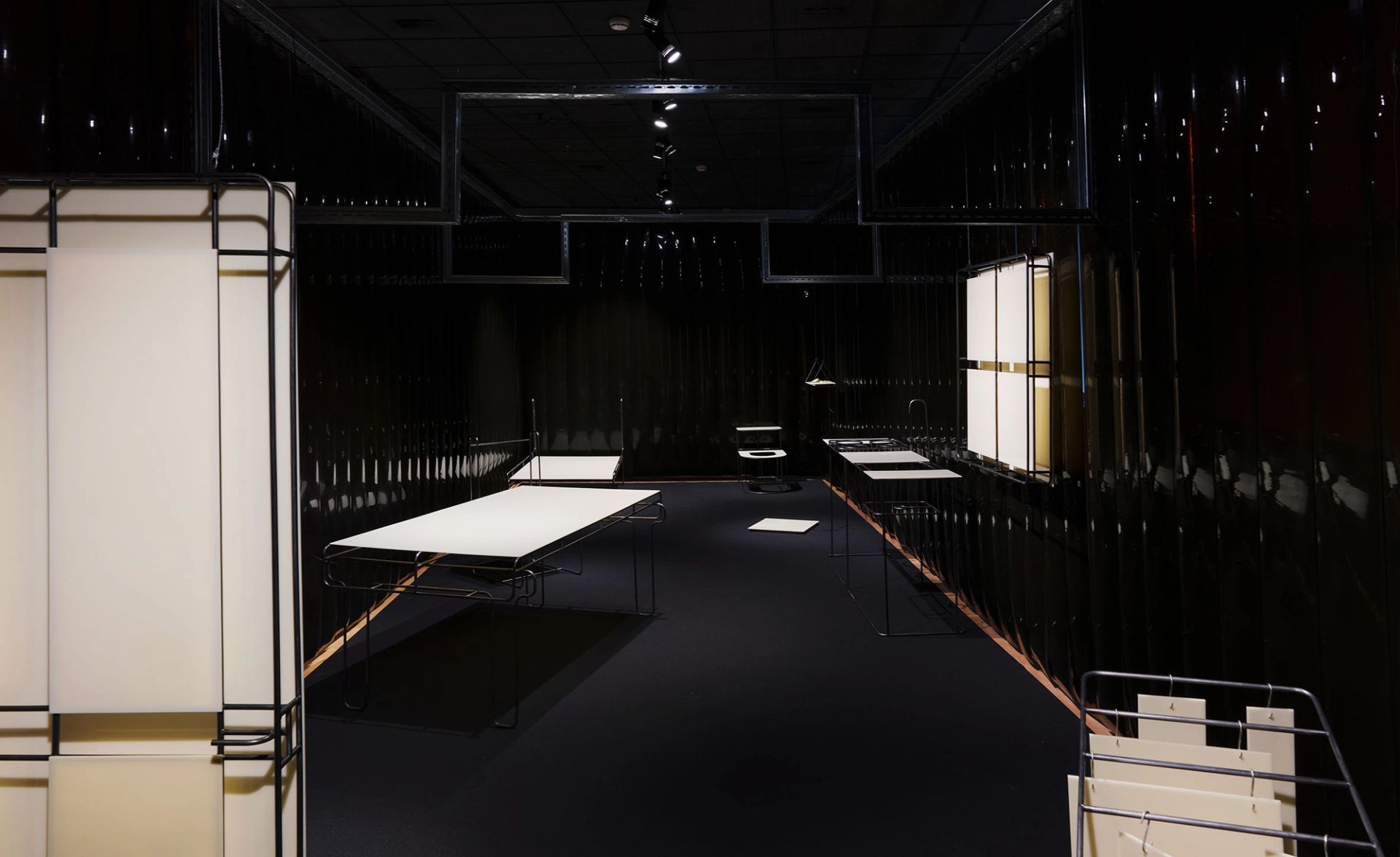
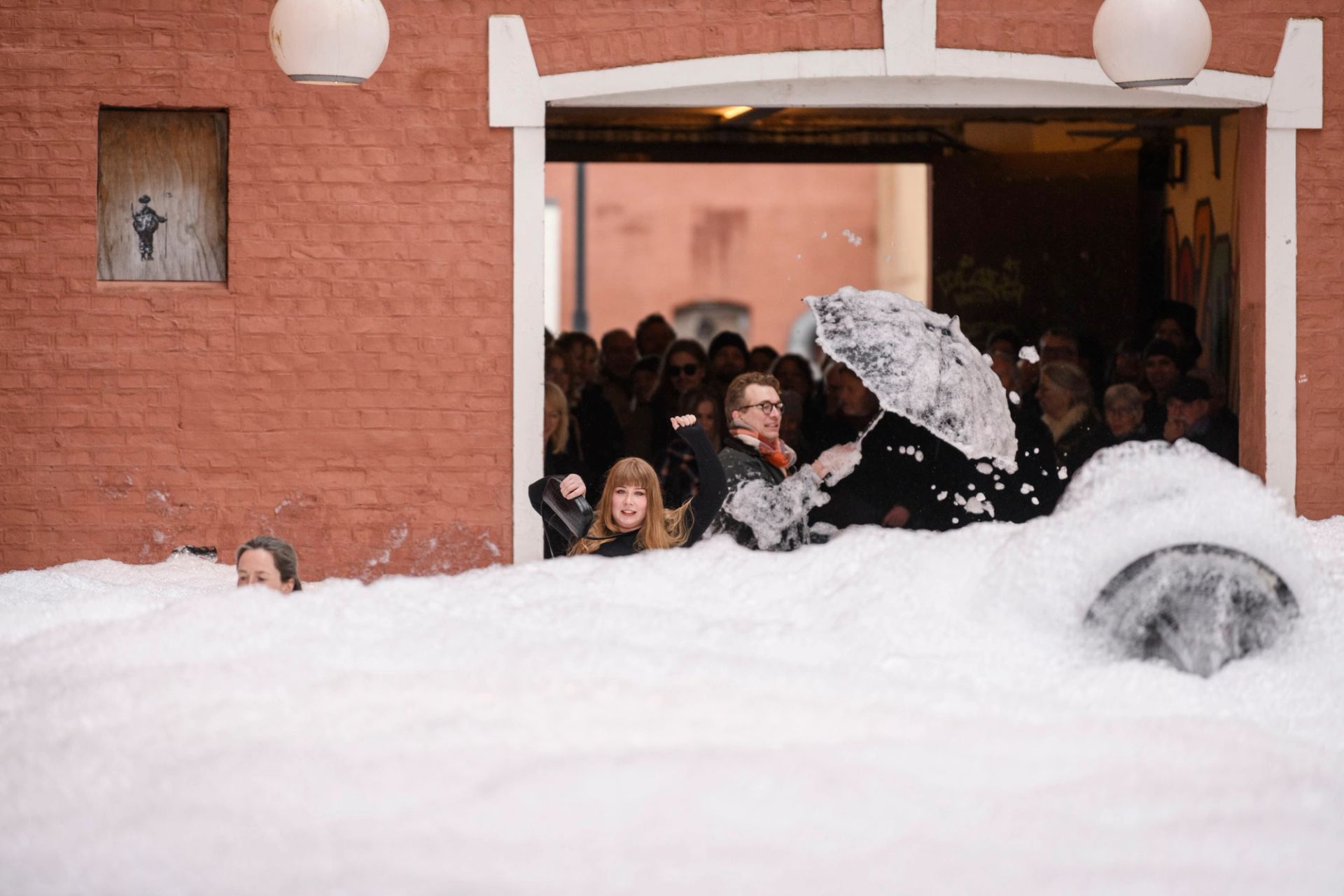
Cooking Sections. The House that Pigs built. Photo Anders Sune Berg, Courtesy of Cooking Sections
About
OBEL is a foundation that recognises and rewards architecture’s potential to act as tangible agents of change that contribute positively to social and ecological development globally. Founded in 2019, OBEL values the plurality of architecture as a practice through expanding who and what defines our built environment. Through various activities, OBEL supports influential ideas and approaches that can spearhead and seed future developments, while driving architectural discourse and education.
BIOS
Cooking Sections — founded in London in 2013 by Daniel Fernández Pascual and Alon Schwabe — investigates the systems that shape the world through food, tracing the spatial, ecological, and political legacies of extractivism. Using site-responsive installations, performances, and video, their practice confronts the overlapping boundaries of art, architecture, ecology, and geopolitics. Since 2015, they run CLIMAVORE, a long-term, site-responsive project, exploring how to eat as humans change climates and metabolise climate breakdown.
Klaas Kuitenbrouwer is the director of the Zoönomic Institute. He is also a senior researcher in regenerative practices at the Nieuwe Instituut in Rotterdam, where he initiated the development of the Zoöp. He studied history but has always worked at the intersections of art, design, technology, and ecology. In recent years, he has researched and curated the following programs, among others: Garden of Machines, Gardening Mars, Bot Club, the Neuhaus Temporary Academy for more-than-human knowledge — which led to the initiation of the Zoöp project — and many more.
Federica Zambeletti is the Founder and Managing Director of KoozArch. An architect, researcher, and cultural producer, she develops research-led exhibitions, editorial platforms, and cultural strategies that foreground emerging practices and cross-disciplinary dialogue, positioning curating as a form of cultural world-building that bridges institutions, brands, and independent practitioners.