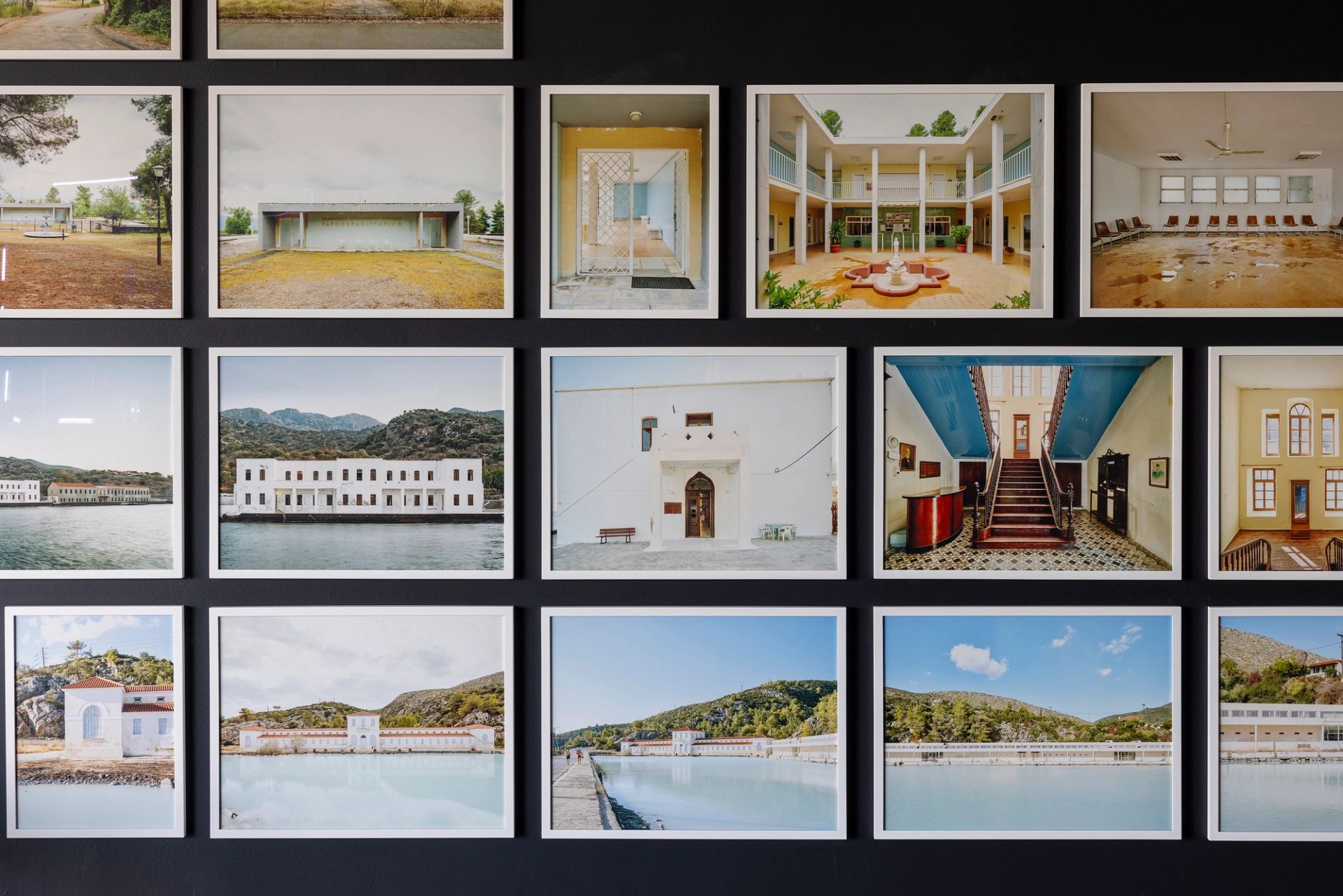
This exhibition, curated by Lydia Xynogala at gta exhibitions, focuses on the profound influence of scientific exploration concerning hot springs, rocks, and soil in late 19th-century Greece, leading to a groundbreaking understanding of the nation’s landscape and mineral resources. Medical professionals, chemists, and geologists developed insights through fieldwork, lab studies, and treatises, often dispatching mineral water samples to laboratories in Northern Europe. These geochemical evaluations laid the groundwork for tangible structures: state-built hydrotherapy clinics designed to address various conditions using the diverse properties of mineral waters. Minerals such as sodium chloride, magnesium, or sulfates became the impetus for this major construction endeavor. Greek Thermalism – a nationwide ‘taking of the waters’ – had its peaks in the interwar and in the postwar eras. The state sought to take care of its citizens through the promotion of natural treatments for a wide range of medical symptoms. Minerals were a matter of care. State-funded bathing towns at hot springs, so called ‘Loutropolis,’ emerged across the country. The exhibition explores the significance of Thermalism by re-enacting two pivotal historic displays: Greece’s display at the 1878 Paris World Fair and Room No. 7 from the 1938 Hygiene Exhibition held during the Metaxas dictatorship.